
Is Your Business Operating in the Dark?
Many small businesses unknowingly operate on financial autopilot, recording transactions sporadically, mixing personal and business accounts, or waiting until tax season to clean up months (or even years) of disorganized records. This reactive approach, known as catch-up bookkeeping, often starts small but can snowball into serious cash flow issues, IRS scrutiny, and lost growth opportunities. For service-based businesses in Kailua, retail shops in Waikīkī, and freelancers across the Hawaiian Islands, falling behind on bookkeeping doesn’t just create clutter, it creates risk.
Catch-up bookkeeping isn’t just about playing catch-up; it’s about regaining control. It involves systematically organizing past-due financial records, reconciling accounts, and ensuring income and expenses are accurately categorized. But how do you know when it’s time to bring in professional help? Key warning signs include:
- Bank and credit card statements that haven’t been reconciled in months
- Invoices going untracked or payments overdue without follow-up
- Difficulty producing basic financial statements like profit and loss or balance sheets
- Relying on tax-time scrambles rather than quarterly planning
- Consistently mixing personal and business transactions
Ignoring these signals can lead to misinformed decisions, missed deductions, and strained relationships with lenders or investors. The good news? It’s never too late to reset. By addressing bookkeeping gaps early and establishing a consistent monthly rhythm, businesses restore clarity, improve compliance, and build a solid foundation for long-term success.
5 Warning Signs Your Bookkeeping Needs Immediate Attention
Staying on top of your finances isn’t just about compliance, it’s about protecting your business’s future. When bookkeeping falls behind, even small oversights can spiral into costly problems. For small businesses across Hawaii, from Honolulu storefronts to Kailua service providers, recognizing these early warning signs can mean the difference between smooth operations and financial stress.
- You’re Receiving Late Payment Reminders Despite Sending Invoices If clients are claiming they never received bills or payments are consistently overdue, your accounts receivable may be disorganized. Missed or improperly tracked invoices lead directly to cash flow gaps. Regular bookkeeping ensures every sale is recorded, invoiced, and followed up on promptly, keeping revenue cycles predictable.
- Bank Statements Don’t Match Your Records Frequent discrepancies between your accounting reports and bank balances signal unreconciled transactions. This could mean duplicate entries, unrecorded fees, or undeposited funds. Monthly reconciliation catches these errors early, maintaining data accuracy and preventing audit triggers.
- You’re Unable to Produce Financial Reports on Demand If pulling a profit and loss statement or balance sheet takes days, or you can’t generate one at all, your books are likely outdated. Up-to-date records empower timely decisions, especially when applying for loans or evaluating seasonal trends in Hawaii’s dynamic markets.
- Tax Season Is a Source of Anxiety, Not a Routine Check-In Relying on year-end cleanups instead of monthly upkeep often results in missed deductions, miscalculated liabilities, and last-minute scrambling. Proactive bookkeeping makes tax time predictable, particularly under Hawaii’s General Excise Tax (GET) rules.
- You’re Unsure If Your Business Is Actually Profitable Without regular financial reviews, it’s hard to know which services or products are driving value. Consistent bookkeeping reveals true profitability by accurately tracking income, expenses, and overhead, so you can focus on what truly works.
The Hidden Dangers of Letting Bookkeeping Slide
Ignoring catch-up bookkeeping might seem like a short-term time-saver, but it quickly spirals into serious financial risks that can jeopardize a business’s stability. When transactions go unrecorded for months, discrepancies grow, making it harder to reconstruct accurate records when tax time arrives or lenders come calling. One of the most immediate consequences is the increased risk of tax penalties. Missed filings, inaccurate General Excise Tax (GET) calculations, or underreported income can trigger fines and interest charges, especially impactful for Hawaii-based businesses navigating state-specific regulations.
Cash flow mismanagement is another silent threat. Without up-to-date books, business owners can’t see incoming payments or upcoming obligations, leading to overdrafts, missed vendor payments, or an inability to cover payroll. This lack of visibility often results in reactionary decisions, like taking on high-interest debt, just to keep operations running. Over time, these issues erode profitability and investor confidence.
Regular bookkeeping helps avoid these pitfalls by maintaining accuracy, ensuring compliance, and supporting informed decision-making. For small businesses in Honolulu, Kailua, or Hilo, staying current isn’t just about order, it’s about operational survival. The longer you wait, the more complex and costly it becomes to regain control.
How Expert Bookkeepers Accelerate Financial Recovery
When financial records fall behind, the path to clarity can seem overwhelming, especially for busy small businesses across Hawaii. Professional bookkeepers specialize in untangling disorganized accounts and quickly restoring order through proven catch-up processes. Using industry-standard practices and cloud-based accounting tools, they methodically reconcile bank and credit card transactions, correct misclassified expenses, and close open periods so your business can operate with confidence again.
The real advantage lies in their systematic approach. Certified bookkeepers follow a structured workflow: first verifying missing deposits or undocumented liabilities, then aligning sales records with bank deposits, and finally ensuring all vendor bills and receivables are accurately recorded. They also identify patterns, such as duplicate payments or inconsistent income tracking, that could distort cash flow analysis if left unresolved.
For businesses in Honolulu, Hilo, or Kapolei, this precision means more than clean books, it enables smarter decisions around taxes, payroll, and growth planning. Many professionals also tailor their process to meet state-specific compliance, including accurate reporting for Hawaii’s General Excise Tax (GET). With timely, reliable financial statements, you're better positioned to secure loans, manage audits, or prepare for tax season, all without the stress of playing financial catch-up year after year.
Your Questions About Catch-Up Bookkeeping, Answered
What is catch-up bookkeeping, and why does it matter?
Catch-up bookkeeping refers to the process of updating and organizing financial records that have fallen behind. Whether you've gone months or even years without consistent tracking, this service brings your books back into alignment. Accurate, up-to-date records are essential for tax compliance, financial planning, and maintaining credibility with lenders, especially important for small businesses in Hawaii managing cash flow across seasonal peaks.
How far behind should my books be before I consider a catch-up?
If your books are more than two to three months out of date, it's time to act. Delaying further increases the risk of missed deductions, penalty notices from the IRS or Hawaii’s Department of Taxation, and cash flow confusion. The longer you wait, the more complex reconciliation becomes, especially when dealing with uncategorized transactions or lost receipts.
Can I do catch-up bookkeeping myself using software?
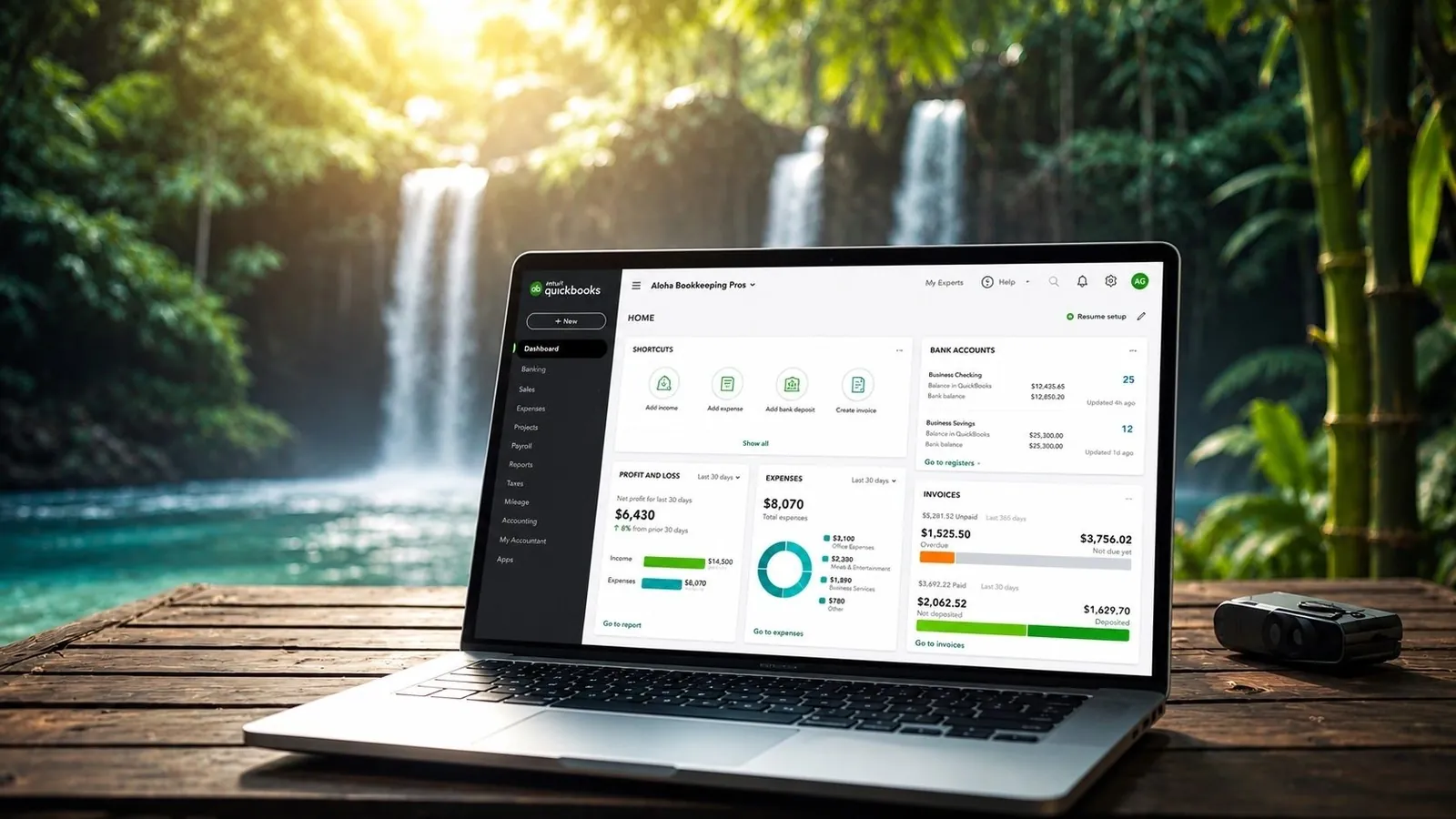
While accounting platforms like QuickBooks or Xero offer tools for DIY bookkeeping, catch-up work often requires expertise. Common issues include reconciling discrepancies, correcting past categorizations, and ensuring compliance with state-specific rules like Hawaii’s General Excise Tax (GET). Without experience, it’s easy to overlook key adjustments that impact your bottom line.
How long does a typical catch-up take?
The timeline depends on how far behind you are. A 6 to 12 month catch-up usually takes 2 to 4 weeks, assuming records are mostly intact. Businesses in Honolulu, Hilo, or Kapolei with well-organized receipts and bank statements move faster than those with scattered or digital-only backups lacking naming conventions.
What records do I need to get started?
Gather the following:
- Bank and credit card statements (digital or physical)
- Invoices sent and received
- Expense records, including receipts and mileage logs
- Prior tax returns (if available)
- Sales reports from your POS or e-commerce system
Having these ready speeds up the process and reduces back-and-forth.
Will catch-up bookkeeping help me prepare for tax season?
Absolutely. Up-to-date books mean accurate income and expense reporting, which simplifies tax filing and maximizes eligible deductions. You’ll avoid last-minute scrambles, reduce audit risk, and gain clarity on estimated tax payments, especially helpful under Hawaii’s quarterly GET requirements.
When should I seek professional help instead of going solo?
Seek help when:
- You’re missing several months of entries
- Your books contain unverified adjustments
- You’ve received a notice from a tax agency
- You’re applying for a loan and need verified financials Professional support ensures accuracy, compliance, and peace of mind, critical for long-term business resilience.
Don’t Wait Until It’s Too Late, Act Now for Financial Clarity
Ignoring your books until year-end creates avoidable stress, costly errors, and missed opportunities. Timely intervention through consistent monthly bookkeeping ensures that discrepancies are caught early, cash flow is predictable, and tax obligations remain manageable. For small businesses in Hawaii, from Kapolei to Hilo, this proactive approach means staying compliant with state-specific requirements like the General Excise Tax while building a solid foundation for growth.
When financial records are updated monthly, you gain real-time insights into profitability, expense trends, and receivables. This visibility empowers smarter decisions: when to hire, where to cut costs, and how to reinvest wisely. Lenders and investors view regularly maintained books as a sign of credibility, improving your chances of securing favorable financing terms. Plus, clean records significantly reduce accounting fees by minimizing corrective work during tax season.
Take control of your financial future with these steps:
- Reconcile all bank and credit card accounts every month
- Accurately categorize income and expenses
- Generate and review financial statements, including profit and loss and cash flow reports
- Adjust budgets based on actual performance
You don’t need to face this alone. If backlogged records are holding you back, seek professional support to catch up and transition into a sustainable rhythm. The long-term health of your business depends on it, act now, stay ahead, and build confidence in every financial decision.